

Guide
The EU packaging regulation (PPWR): what Ethiopian exporters should know
The EU Packaging and Packaging Waste Regulation (EU) 2025/40 has applied since 12 August 2026. It already limits PFAS in food-contact packaging sold in the EU; a harmonised labelling system follows in 2028, and rules on recyclability, recycled content and empty space in 2030. Businesses selling into the EU must comply, so Ethiopian exporters of coffee, flowers and food can expect their EU buyers to ask about packaging.
Key facts
| The law | Regulation (EU) 2025/40, the Packaging and Packaging Waste Regulation (PPWR) |
|---|---|
| In force | February 2025 |
| Applies from | 12 August 2026 |
| From 12 August 2026 | PFAS limits for food-contact packaging |
| From 2028 | One harmonised packaging label across the EU |
| From 2030 | All packaging recyclable; limits on empty space; recycled content in plastic |
What is the PPWR?
The Packaging and Packaging Waste Regulation (EU) 2025/40 replaces different national packaging rules in the EU with one set of rules. It entered into force in February 2025 and has applied since 12 August 2026, with further requirements phased in until 2030. It covers packaging placed on the EU market, whoever made it. For an Ethiopian exporter that means the boxes, cartons and bags your goods arrive in.
Timeline: what applies when
The European Commission sets out the main steps like this.
| When | What changes |
|---|---|
| 12 August 2026 | Food-contact packaging with PFAS above strict limits can no longer be placed on the EU market |
| 2028 | A harmonised labelling system for packaging applies across the EU, to help people sort waste |
| 2030 | All packaging must be recyclable; new limits on empty space; restrictions on some single-use plastic packaging; reuse targets; recycled content in plastic packaging |
What it means for Ethiopian exporters
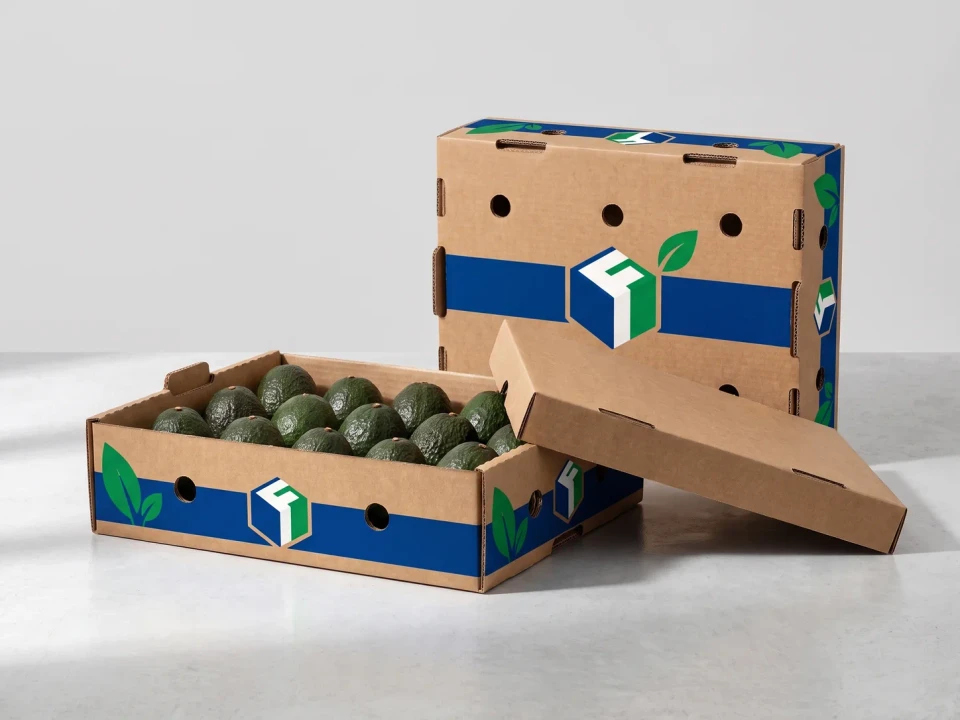
The company that places a product on the EU market is responsible for its packaging, and in practice EU buyers pass the requirements back to their suppliers. Expect questions about the materials in your packaging, coatings on anything touching food, whether it can be recycled, and how much empty space your boxes contain. Corrugated cartons and paper packaging start from a strong position: paper and board are among the most widely recycled packaging materials. The points to watch are coatings and laminates that make paper harder to recycle, and boxes that are larger than the product needs.
What to ask your packaging supplier now
None of this needs to wait until 2030. These questions prepare you for buyers’ requests.
- Which materials, coatings and inks are in each pack, and are any of them for food contact?
- Can the pack be made from a single material, so it is easier to recycle?
- Can the box be sized closer to the product, to reduce empty space?
- Can the supplier give you a written specification of each pack for your buyer?
Questions
Does the EU packaging regulation apply to Ethiopian companies?
It applies to packaging placed on the EU market. Legally the EU company placing the product on the market is responsible, but in practice EU buyers ask their suppliers, including Ethiopian exporters, to meet the requirements.
When do the PPWR labelling rules start?
A harmonised packaging labelling system applies across the EU from 2028.
What does the PPWR mean for food-contact packaging?
Since 12 August 2026, food-contact packaging containing PFAS above strict limits can no longer be placed on the EU market.
Will all export packaging have to be recyclable?
Yes, from 2030 the PPWR requires all packaging placed on the EU market to be recyclable, alongside limits on empty space.
Sources
- New EU rules on packaging enter into application · European Commission, 11 Aug 2026
- Regulation (EU) 2025/40 on packaging and packaging waste · EUR-Lex, 23 Sep 2026