

Guide
Ethiopia’s plastic bag ban (2026): what shops and businesses need to know
Ethiopia banned single-use plastic bags from 31 January 2026 under the Solid Waste Management and Disposal Proclamation No. 1383/2025. Producing, importing, storing, selling or using them is prohibited. Individuals face fines of 2,000 to 5,000 birr; businesses face fines of 50,000 to 200,000 birr and up to five years in prison.
Key facts
| The law | Solid Waste Management and Disposal Proclamation No. 1383/2025 (1383/2017 in the Ethiopian calendar) |
|---|---|
| Approved | June 2025, by the House of Peoples’ Representatives |
| In force from | 31 January 2026, after a six-month grace period |
| Enforced by | Environmental Protection Authority (EPA) |
| Fine for individuals | 2,000 to 5,000 birr |
| Penalty for businesses | 50,000 to 200,000 birr and up to five years’ imprisonment |
What does the plastic bag ban cover?
The ban prohibits the production, import, storage, sale and use of single-use plastic bags in Ethiopia. It applies to everyone in the chain: the people who make and import the bags, the wholesalers and shops that sell or hand them out, and the shoppers who use them. The rules come from the Solid Waste Management and Disposal Proclamation, which Parliament approved in June 2025. After a six-month grace period, the Environmental Protection Authority began enforcing it on 31 January 2026. The proclamation is numbered 1383/2025; Ethiopian sources often write 1383/2017, the same law dated in the Ethiopian calendar. If you are not sure whether a particular bag counts as single-use plastic, ask the EPA before you buy stock of it.
Why did Ethiopia ban single-use plastic bags?
Plastic bags are the largest single source of plastic waste in the country. According to the EPA, they make up 46% of the plastic waste generated by the public. Ethiopia uses 280,000 to 300,000 tonnes of plastic a year, about 70% of it single-use, and more than 60% of plastic waste is not properly collected. The EPA also points out that plastic can stay in the soil for more than a century without breaking down, harming farmland and water. Launching the ban, EPA Director-General Lelise Neme said: “Starting from today, the production, sale, and use of single-use plastic bags are strictly prohibited.”
What are the penalties?
A person caught using or distributing single-use plastic bags can be fined 2,000 to 5,000 birr. The penalties are much heavier for commercial activity: manufacturing, importing, distributing, selling, storing or holding single-use plastic bags for business can bring a fine of 50,000 to 200,000 birr and up to five years of rigorous imprisonment.
What can shops and brands use instead?
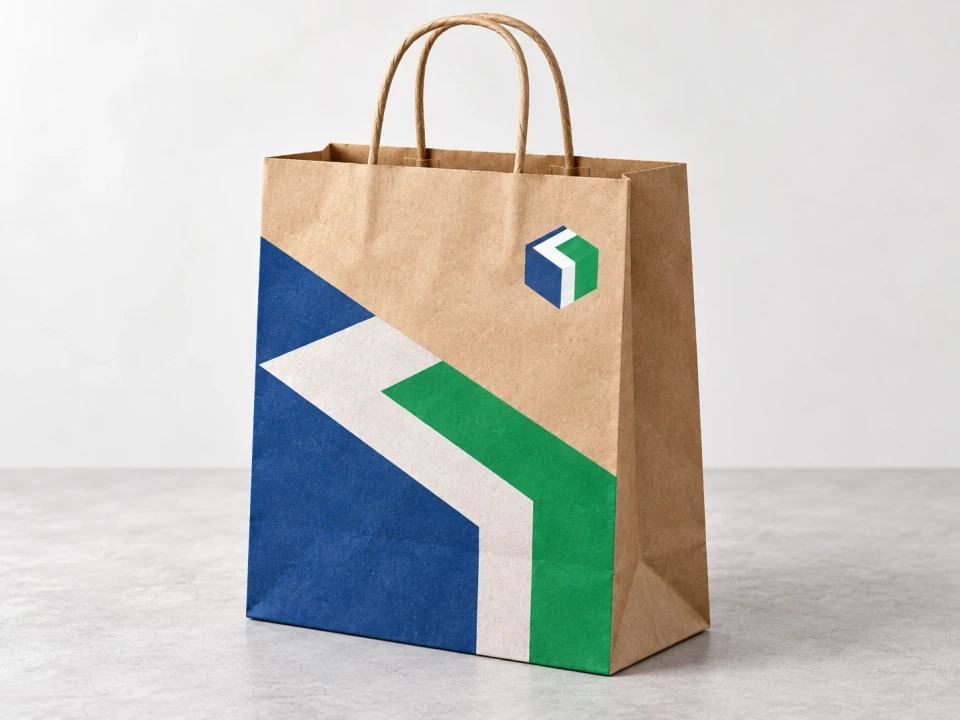
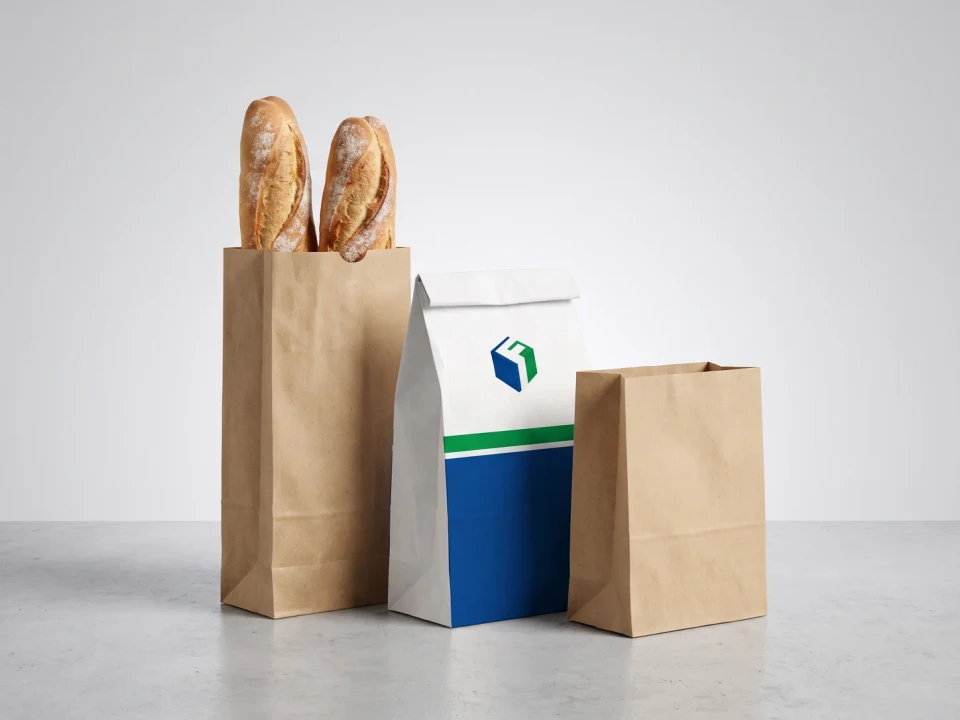
Paper bags are the most common replacement, alongside reusable woven and canvas bags. For shops, supermarkets, bakeries and restaurants, paper bags are the closest like-for-like switch: they are handed out at the till the same way and can carry your name and logo. Paper bags cost more per bag than the plastic bags they replace. One Addis Ababa shop owner told Xinhua that a pack of 28 small plastic bags used to cost less than 18 birr. Choosing the right size and paper weight for what you actually sell keeps that cost down, and printing turns every bag into advertising.
| Option | Best for | Keep in mind |
|---|---|---|
| Plain kraft paper bag | Groceries, bakeries, markets | The lowest-cost paper option |
| Printed paper bag | Shops, brands, restaurants | Carries your logo; needs artwork and a proof |
| Paper bag with handles | Clothing, gifts, heavier goods | Easier to carry heavier loads |
| Carton box | Wholesale and bulk | For cases of goods, not single items |
How to switch your business to paper bags
Demand for paper bags rose noticeably once the ban was enforced, so plan the switch rather than buying in a hurry. These steps help you order the right bags in the right quantity.
- Count how many bags you hand out in a normal week, by size.
- Measure the largest item that goes into each bag size, and weigh a typical full bag.
- Decide between plain and printed bags. Printed bags need your logo or artwork and a proof to approve.
- Ask for a sample before the full order, and check it with your heaviest load.
- Order ahead of your busy seasons, so you never run out at the till.
Where to get paper bags in Ethiopia
Eastern Dragon Package Tech PLC makes kraft and printed paper bags in Addis Ababa, alongside its corrugated cartons and printed boxes. Send the bag sizes you need, the quantity and your logo, and the sales team will prepare a quote. A sample can be made before full production.
Questions
Are paper bags allowed under Ethiopia’s plastic bag ban?
Yes. The ban is on single-use plastic bags. Paper bags are the most common replacement, together with reusable woven and canvas bags.
When did Ethiopia’s plastic bag ban start?
The ban has been enforced since 31 January 2026. Parliament approved the law in June 2025, and a six-month grace period followed.
Who enforces the plastic bag ban in Ethiopia?
The Environmental Protection Authority (EPA) announced the ban and enforces it.
Do the fines apply to shoppers or only to shops?
Both. Individuals can be fined 2,000 to 5,000 birr. Businesses that make, import, sell or store single-use plastic bags face 50,000 to 200,000 birr and up to five years in prison.
Sources
- Ethiopia bans single-use plastic bags · Packaging Insights, 12 Feb 2026
- Ethiopia enforces ban on single-use plastic bags starting January 31 · Fana, Jan 2026
- Ethiopia officially bans single-use plastic bags · Xinhua, 1 Feb 2026
- Ethiopia embraces paper bags as plastic bag ban takes effect · Xinhua, 21 Feb 2026